## Website Research in the Age of Internet Tools
Website research has become a core discipline for marketers, product teams, security analysts, journalists, and founders who need to understand how a site performs, how it is configured, and whether it can be trusted. In the early web era, checking a domain often meant opening the homepage and reading source code by hand. Today, Internet Tools can reveal much more: traffic patterns, hosting details, historical snapshots, page speed, backlink quality, crawlability, and whether a domain has been stable over time. Used well, these tools turn scattered signals into practical Site Insights. The rise of specialized research platforms also reflects how much the web has changed. In 1993, the World Wide Web was still small enough that directory-style browsing made sense. By 2024, there were more than 1.1 billion websites online, although only a fraction are actively maintained. That scale makes Website Research less about casual browsing and more about evidence gathering. ## Why Site Insights Matter A site can look polished while hiding serious problems. A retailer may have good design but slow checkout pages. A B2B software company may publish strong content while losing traffic because of technical SEO issues. A news publisher might have strong authority but poor Site Availability during traffic spikes. These differences matter because they directly affect revenue, trust, and operations. Google has repeatedly shown that speed influences user behavior. A 2018 study found that as mobile page load time rose from 1 to 3 seconds, bounce probability increased by 32%. By 5 seconds, the likelihood increased by 90%. That means Website Research is not just about curiosity; it can explain why a site converts poorly or why users abandon it. For security teams, the stakes are even higher. Detecting expired TLS certificates, DNS misconfigurations, or historical changes in name servers can help identify risks before customers notice them. For journalists and researchers, Site Insights can confirm whether a source has existed for years, changed ownership, or quietly altered claims. ## The Most Useful Internet Tools for Research Modern Internet Tools cover several layers of analysis, from technical health to market positioning. A practical workflow usually includes: – DNS and WHOIS lookup to identify ownership patterns and domain age – Historical archives such as the Wayback Machine to compare content changes – Performance scanners like PageSpeed Insights or WebPageTest to measure load time – Uptime monitors to evaluate Site Availability over days or months – SEO platforms to inspect rankings, backlinks, and indexation – Technology fingerprinting tools to detect CMSs, frameworks, analytics tags, and CDNs Each tool answers a different question. WHOIS can reveal when a domain was registered, though privacy services often mask contact details. BSiteStatus Historical archives can show whether a site changed its pricing model, rebranded, or removed old product claims. Performance testing can uncover whether a CDN is helping or whether a script-heavy page is slowing interaction. A good example is comparing an ecommerce homepage before and after a redesign. If the original page loads in 2.4 seconds and the new one takes 4.8 seconds on mid-range mobile devices, the redesign may look modern but perform worse. That kind of data is more persuasive than subjective opinion. ## Reading Site Availability as an Operational Signal Site Availability is often treated as a hosting problem, but in practice it reveals much more. Repeated downtime can point to poor scaling, brittle deployments, expired certificates, overloaded databases, or third-party dependencies that fail under stress. In fintech, travel, and SaaS, even brief outages can have measurable business impact. Large platforms have made uptime a public trust metric. Google Cloud, AWS, and Microsoft Azure all publish service health dashboards because enterprise customers expect visibility. For smaller websites, uptime monitoring can expose patterns that are easy to miss. A site may appear stable during business hours but fail every night during backups, indexing jobs, or batch processing. Research from Uptime Institute has consistently shown that outages are expensive: in its 2023 survey, most respondents reported that a significant incident cost at least $100,000, and a large share said it exceeded $1 million. That is why Site Availability should be tracked alongside traffic and conversion data. ## Verifying Claims with Historical and Technical Evidence Strong Website Research depends on triangulation. A single data point can mislead, but multiple tools often tell the same story from different angles. For example, if a company claims to be “founded in 2016,” you can check the first archived snapshot, the domain registration date, LinkedIn company history, and early press coverage. If all four align, the claim is likely credible. Technical evidence is equally useful. Page source, response headers, certificate chains, and DNS records can show whether a site uses a modern CDN, whether it has HSTS enabled, and whether redirects are implemented cleanly. This matters in compliance-heavy industries where security posture affects procurement decisions. A company selling to hospitals, for instance, may be judged on whether it serves pages over HTTPS, loads third-party scripts safely, and avoids broken security headers. ## Practical Uses in Business and Research Website Research is no longer reserved for analysts. Product managers use it to benchmark competitors. Sales teams use it to prioritize accounts by technology stack. Cybersecurity teams use it to identify exposed assets. Investors use it to test whether a startup’s web presence matches its narrative. Even job seekers use Internet Tools to study how a company structures its digital products before an interview. The most effective approach is to ask specific questions: – Is the site technically healthy? – Has the content changed in ways that affect trust? – Are traffic and backlink trends consistent with the brand’s claims? 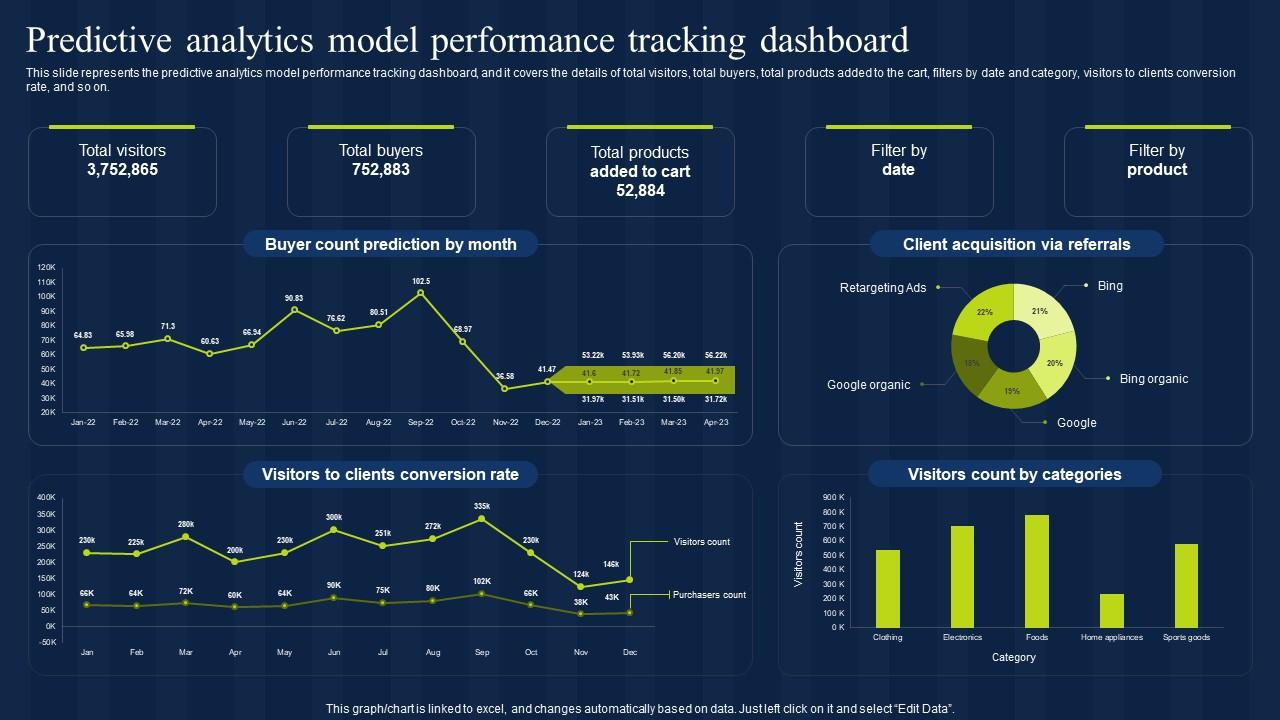 – Is Site Availability reliable enough for customer-facing operations? – What hidden dependencies could become a risk later? Answering those questions well requires patience and a willingness to compare evidence. In practice, the best analysts combine automation with manual review, because tools can surface patterns, but humans still need to interpret context. ## Where Website Research Is Heading The next phase of Website Research is likely to be more automated and more predictive. AI-assisted Internet Tools already summarize SEO gaps, flag suspicious content changes, and compare technical snapshots across time. At the same time, privacy changes and anti-bot protections are making data collection harder, which means analysts will need better methods, not just more data. As web infrastructure moves further toward edge computing, serverless delivery, and AI-generated content, Site Insights will need to go beyond simple uptime or keyword reports. The most valuable research will connect infrastructure, content quality, and user experience in a single view. https://bsitestatus.com/about Organizations that learn to read those signals early will have a clearer picture of competitors, partners, and their own digital resilience.